
Lynx Grill Ignition Parts
Find OEM and premium replacement ignition parts for Lynx Professional gas grills. Shop piezo igniters, spark modules, electrodes, transformers, switches, collector boxes, wiring, and ignition upgrade kits.
Because Lynx used several ignition systems over the years, verify your model number, serial number, and Series Letter before ordering. Use our Lynx Model & Serial Number Guide or visit the Lynx Grill Ignition Repair Guide for help identifying your system.


Quick Fit Check
- Series 0–1: Mechanical piezo ignition
- Series E–G: Battery-powered spark ignition
- Series J–K: Glow coil ignition; many repairs require an OEM upgrade kit
- Series L and later: Hot Surface Ignition powered by a transformer
Identify Your Lynx Ignition System
Lynx has used several ignition designs across its production history. Identifying the system installed in your grill is the first step toward selecting the correct replacement parts.
| Grill Series | Ignition System | Common Replacement Parts |
|---|---|---|
| Series 0–1 | Mechanical Piezo | Piezo igniters, electrodes, wires, and collector boxes |
| Series E–G | Battery-Powered Spark | Spark generators, batteries, switches, electrodes, and wiring |
| Series J–K | Glow Coil Ignition | OEM ignition upgrade kits and compatible replacement electrodes |
| Series L and Later | Hot Surface Ignition | HSI electrodes, transformers, micro-switches, and wiring |
Important Fit Note: Parts that appear similar may operate differently or fit only certain grill series. Always confirm the model, serial number, Series Letter, burner position, and original part number before ordering.
Evolution of Lynx Ignition Systems
Early Lynx grills used mechanical piezo ignition. Depending on the grill design, activating the burner control created the mechanical snap and spark needed to light the burner.
Series E through G grills transitioned to battery-powered spark ignition, which uses batteries, spark generators, electrodes, switches, and wiring to produce the ignition spark.
Series J and K grills used a glow coil ignition system. Many original glow coil components have been discontinued, so repairs commonly require a complete OEM ignition upgrade rather than replacement of a single original component.
Series L and later Lynx Professional grills use Hot Surface Ignition, or HSI. The electrode glows red hot to ignite the gas and receives low-voltage power from a transformer connected to a standard electrical outlet.
Lynx Ignition Troubleshooting
| Symptom | Parts to Inspect |
|---|---|
| No click, spark, or ignition response | Battery, piezo igniter, ignition switch, spark generator, transformer, wiring, outlet, or incoming power |
| Spark is present, but the burner does not light | Electrode position, collector box, burner ports, gas flow, or damaged ignition wire |
| Hot surface igniter does not glow | Transformer, GFCI outlet, incoming power, wiring, micro-switch, or HSI electrode |
| Only one burner will not ignite | Individual electrode, burner-position wiring, collector box, or micro-switch |
| Ignition works intermittently | Weak battery, loose connection, cracked ceramic electrode, corroded wire terminal, or failing switch |
Safety Note: Turn off the gas supply and disconnect electrical power before inspecting or replacing ignition components. Gas leaks and electrical repairs should be handled by a qualified service technician.
Replacing Lynx Ignition Batteries
Premier Series Grills
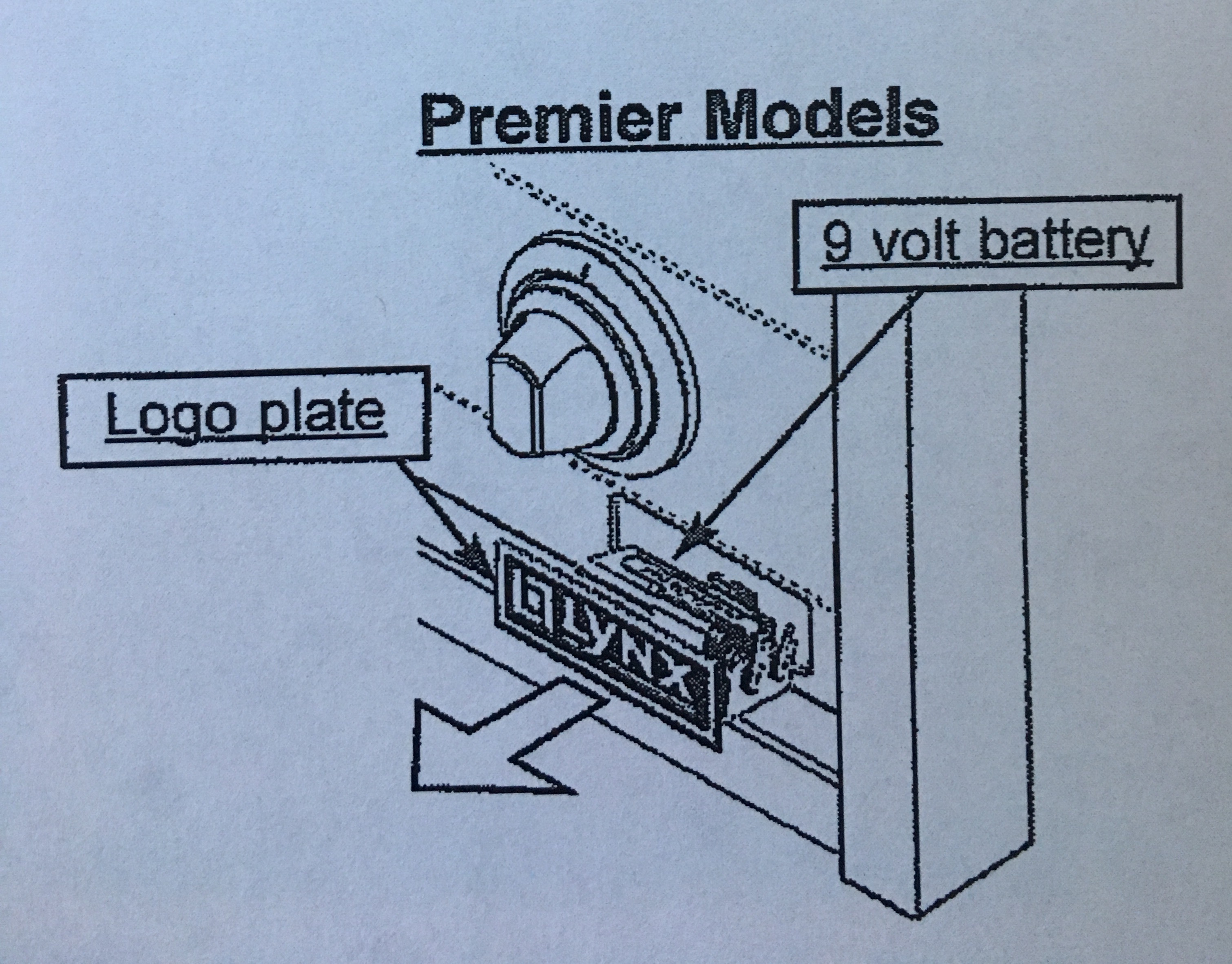
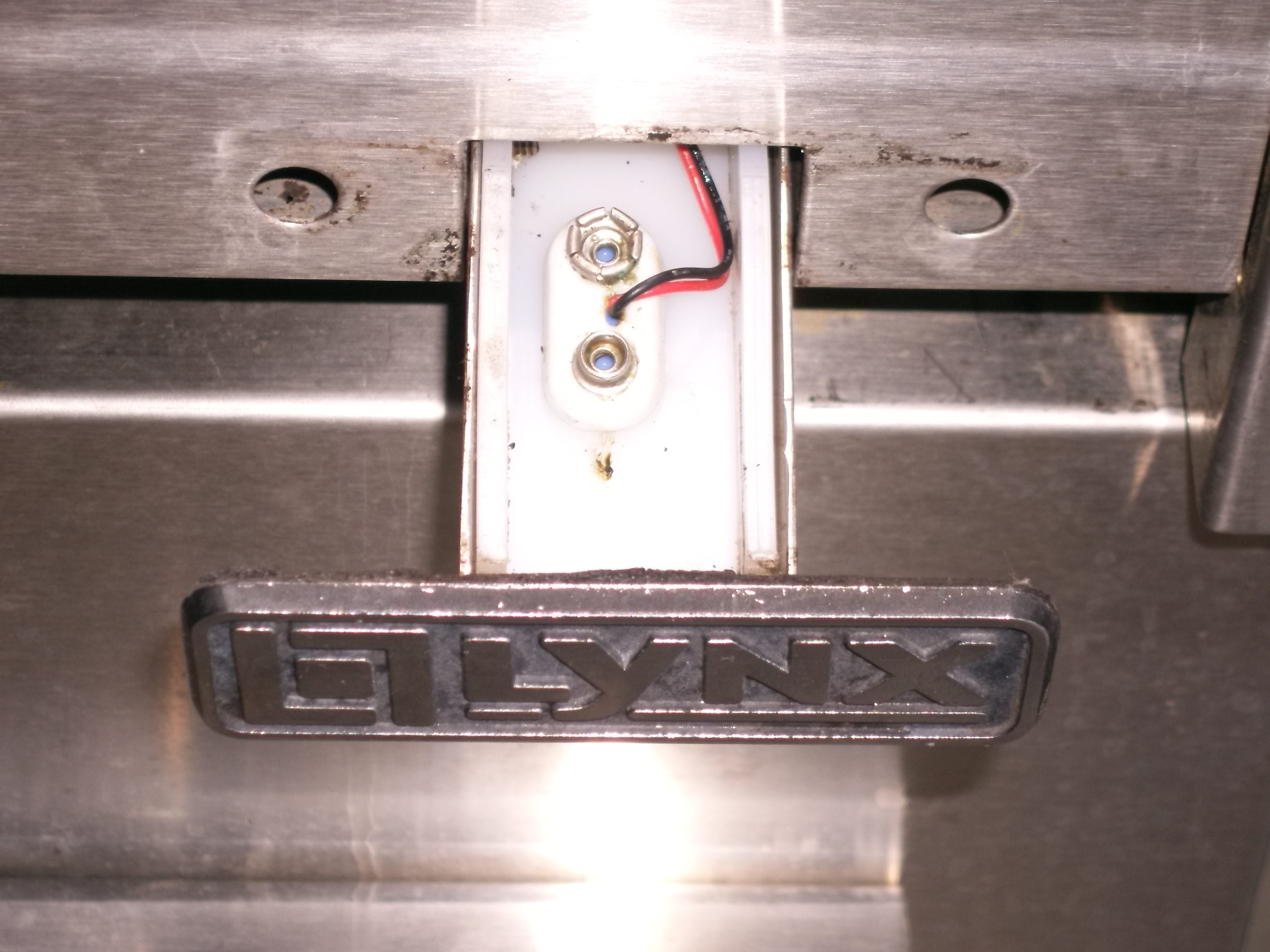
On Lynx Premier grills equipped with battery-powered ignition, the battery is located behind the front Lynx logo plate. Carefully pull the logo plate outward to access the battery compartment.
Professional Series Grills
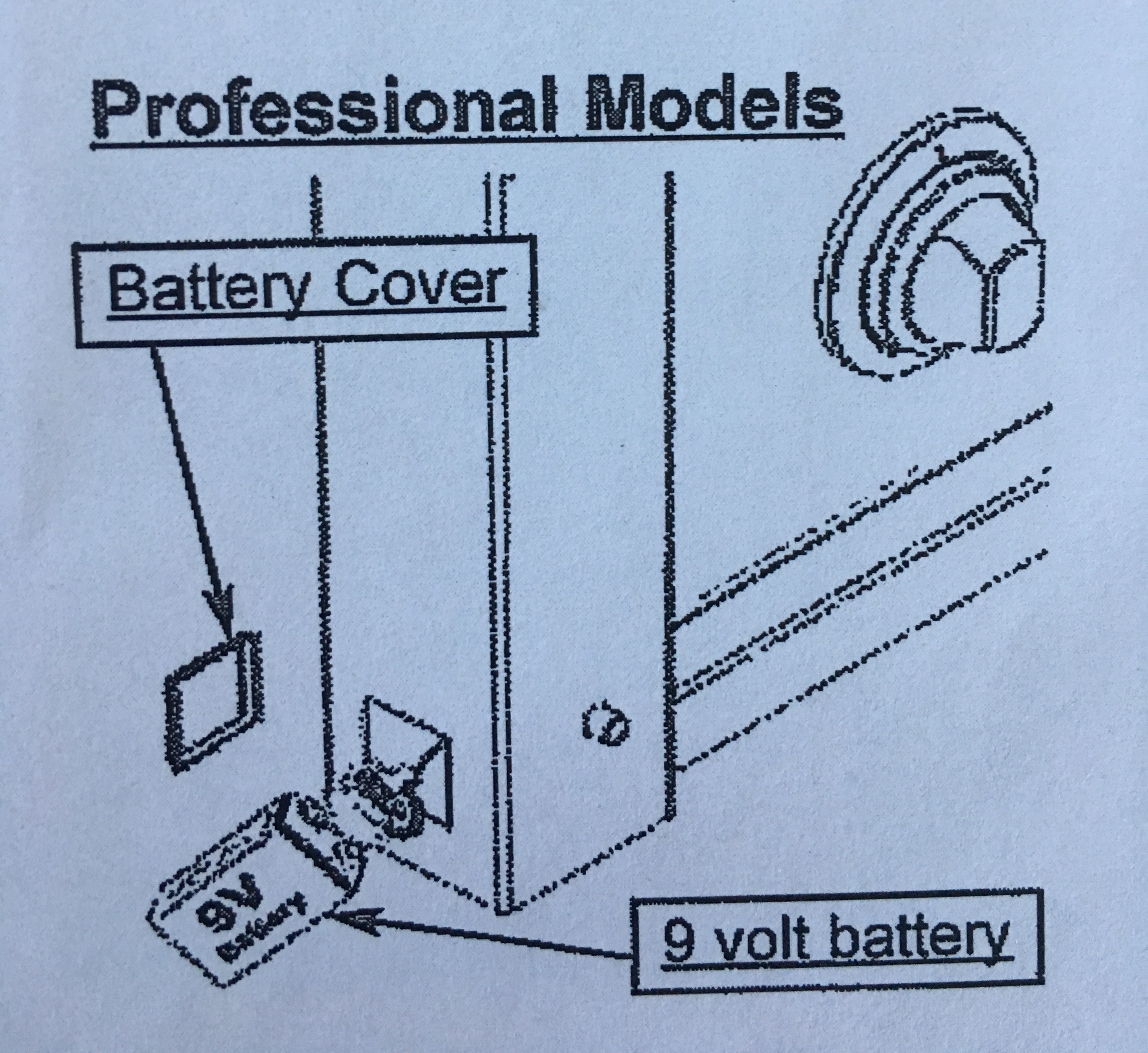
On Lynx Professional grills with battery-powered spark ignition, the battery compartment is located on one or both sides of the control panel. The number of battery compartments depends on the grill model and the number of spark generators installed. Remove each battery cap and install the correct replacement battery.
BBQ Depot Expert Tip
If the hot surface igniters are not glowing and the interior grill lights are also out, do not immediately replace the electrodes. Both systems receive power from the same low-voltage transformer. Check the GFCI outlet, transformer, wiring, and incoming power before ordering parts.
Related Resources
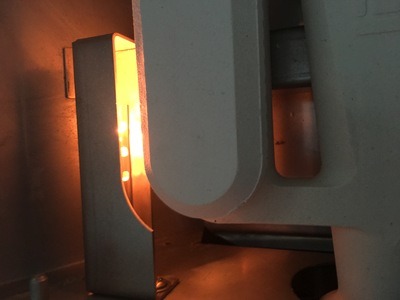
Lynx Grill Hot Surface Ignition Troubleshooting
Tips on how to troubleshoot your Lynx Grill Hot Surface Ignition and shop all you Lynx Parts by Experts at The BBQ Depot
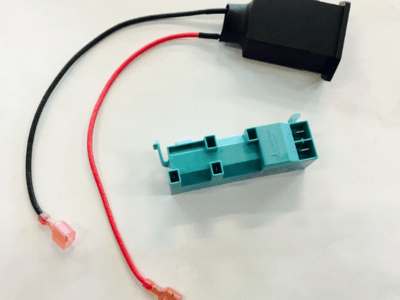
History of the Lynx Grill Ignition System
Lynx Grill Ignition has evolved from basic spark generators to advanced Hot Surface Glow-Plug systems, showcasing a remarkable journey of innovation and reliability.
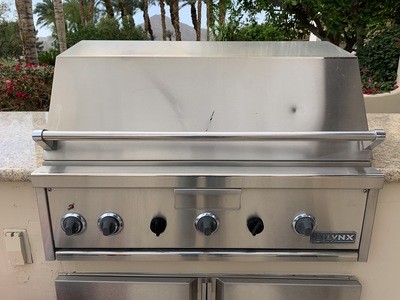
Where to Get Lynx Grill Replacement Parts
If you’re looking for replacement parts for your Lynx grill, consider your search complete. We have everything you need.
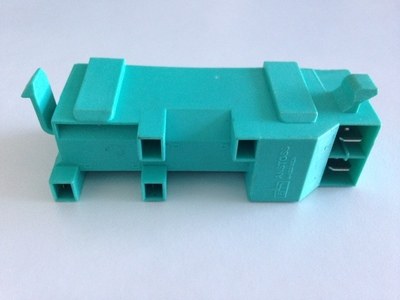
Grill Igniter Parts Troubleshooting
Gas Grill Igniter Stopped Working? Read our troubleshooting steps before you spend money on replacement parts.
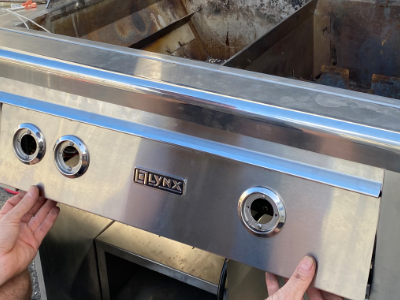
How to Replace a Hot Surface Ignition in a Lynx Grill
How to replace the Hot Surface Ignition in a Lynx Grill. With our instructions, we make this task simple.
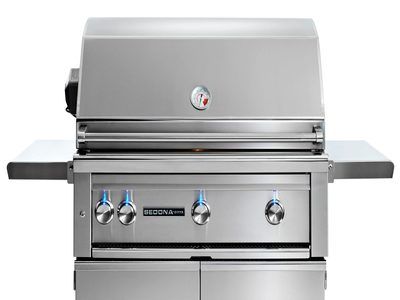
Are You Looking for Sedona by Lynx Grill Parts?
Is your Sedona grill in need of replacement parts? Here’s where you can find anything and everything you need (including grill experts) at the best prices.
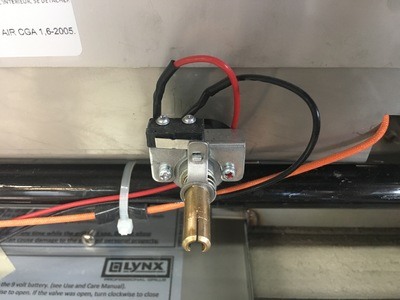
Lynx Grill Gas Valve Microswitch Replacement
Since 2006 (H Series Grills), Lynx has used micro switches in their grills. The micro switch eliminates the need to have an igniter button on the grill to spark the ignition.
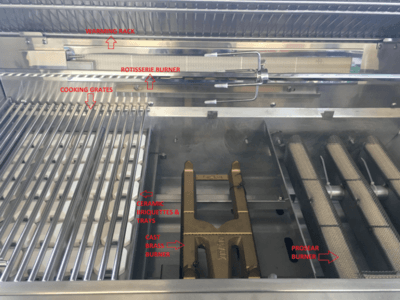
Lynx Grill Parts - Under the Hood and Behind the Control Panel
Lynx Grill Repair Experts! We will breakdown all the parts to a Lynx grill with pictures and video
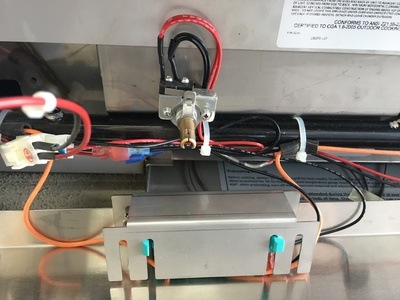
Sedona by Lynx Ignition System
Sedona by Lynx Ignition System including an overview of how it works, how to change the electrodes, spark module and microswitch as well as troubleshooting.
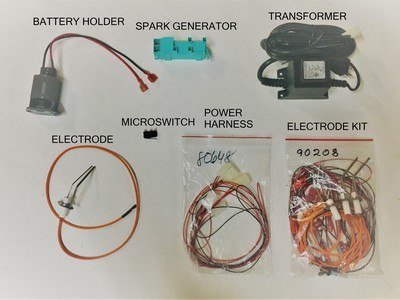
How to Troubleshoot a Sedona by Lynx Ignition
How to Troubleshoot the Ignition on a Lynx Sedona Grill. Use these tips for all Grill Models. Parts and Help are available.
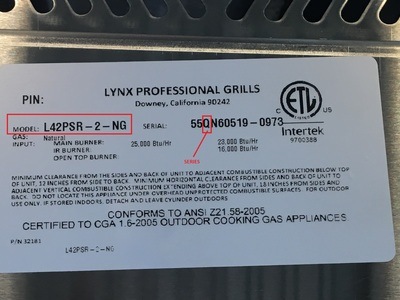
Lynx Grill Serial and Model Number Location
Where is my Lynx Grill Serial and Model Number? This will show you where to find these important numbers to assist in purchasing the correct grill parts.
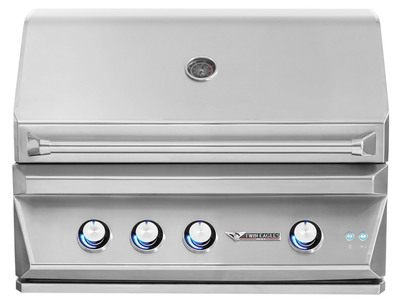
How to Find Twin Eagles Grill Parts
Need to upgrade your replacement parts or looking for a new Twin Eagles grill, consider your search complete.