
Infrared
-
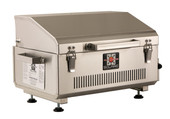
$527.00
-
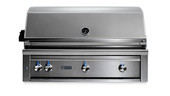 Lynx 42" Built-in Grill w Trident Infrared Burner, 2 Ceramic Burners, Rotisserie - L42TRBrand:Grill Width:Main Burners:
$9,559.00$8,929.00 -
$797.00
-
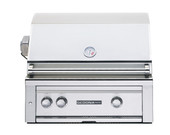
 Sedona by Lynx L701PS 42" Built-in Grill - 1 Prosear, 2 Stainless BurnersBrand:Grill Width:Main Burners:
$4,469.00$4,169.00 -
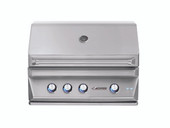
 Lynx 36" Built-In Grill - 2 Ceramic Burners, 1 Trident w/ Rotisserie - L36TRBrand:Grill Width:Main Burners:
$8,629.00$8,059.00 -
$10,032.95$8,829.00 -
$3,639.00$3,399.00 -
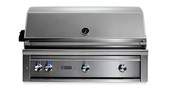 Lynx 42" Built-in Trident All-Sear Infrared Grill w Rotisserie - L42ATRBrand:Grill Width:Main Burners:
$9,559.00$8,929.00 -
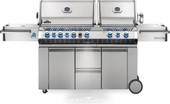 Napoleon Prestige PRO 825 Portable Grill on CartSeries:Brand:
$5,499.00
-
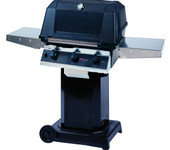
$2,444.00$2,080.00 -
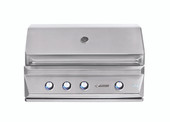
$11,317.05$9,959.00 -
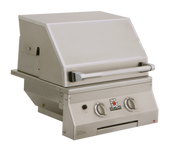 Solaire 21" Infrared Built-in Grill - SOL-IRBQ-21GIRModel #:Brand:
$1,537.00
-
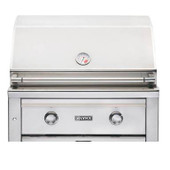
$3,309.00$3,089.00 -
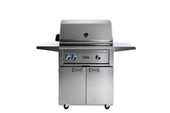 Lynx 30" Freestanding Grill - 1 Trident, 1 Ceramic Burner, Rotisserie - L30TRFBrand:Main Burners:
$7,069.00$6,599.00 -
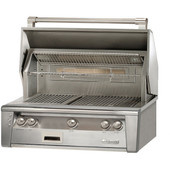 Alfresco ALXE 36" Built In Grill w Sear Zone - ALXE-36SZPart #:Brand:
$7,079.00
-
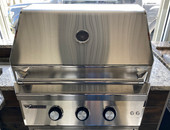
$8,067.05$7,099.00 -
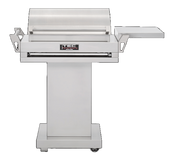 TEC Infrared G Sport Grill with Stainless Pedestal & Side ShelfModel #:Brand:
$4,647.00$4,224.00 -
$8,560.00$7,704.00 -
$2,787.00
-
 Sedona by Lynx L701PSR 42" Built-in Grill - 1 Prosear, 2 Stainless Burners w RotisserieBrand:Grill Width:Main Burners:
$4,969.00$4,639.00 -
 Lynx 54” Built-in Grill with 1 Trident Infrared Burner and 3 Ceramic Burners, Rotisserie - L54TRBrand:Grill Width:Main Burners:
$11,499.00$10,739.00 -
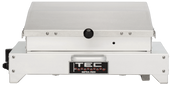 TEC Cherokee FR 23" Infrared Portable Grill - CHFRModel #:Brand:
 -
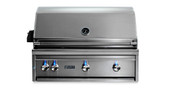 Lynx 36" Built-In Grill - All Trident w/ Rotisserie - L36ATRBrand:Grill Width:Main Burners:
$8,629.00$8,059.00 -
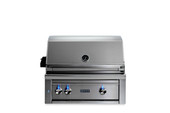 Lynx 30" Built-in Grill w All Trident Infrared Burners and Rotisserie - L30ATRBrand:Grill Width:Main Burners:
$6,139.00$5,729.00 -
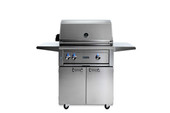 Lynx 30" Freestanding Grill - All Trident Infrared Burners, Rotisserie - L30ATRFBrand:Main Burners:
$7,069.00$6,599.00 -
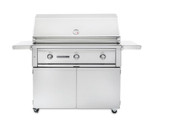 Sedona by Lynx L700F 42" Grill on Cart, no RotisserieBrand:Main Burners:Grill Width:
$6,649.00$6,099.00 -
$5,169.00
-
$5,356.00
-
$3,902.00
-
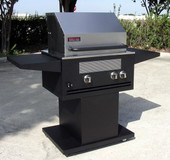
$4,800.84
-
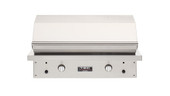
$5,799.00$5,250.00 -
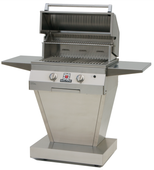
$2,947.00
-
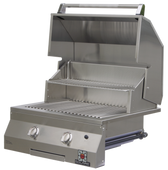
$2,227.00
-
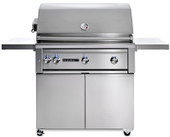 Sedona by Lynx 36" Grill on Cart with Rotisserie - L601R-S361CARTBrand:Main Burners:Grill Width:
$5,888.00$5,498.00 -
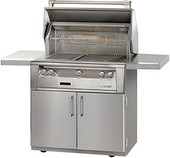 Alfresco ALXE 36" Sear Zone Grill on Cart - ALXE-36SZCPart #:Brand:
$9,065.00
-
$6,886.00
-
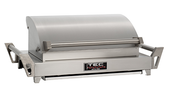 TEC Infrared Grill | G-Sport FR 36" with Warming RackModel #:Brand:
$3,584.00$3,252.00 -
$4,018.00
-
$4,227.00
-
$9,472.00$8,524.80 -
$3,902.00
-
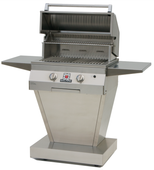
$3,567.00
-
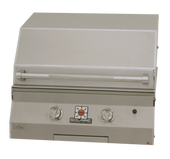
$2,787.00
-
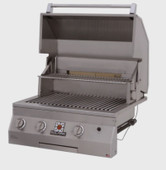
$3,367.00
-
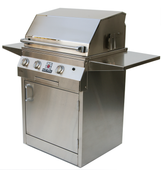
$4,437.00
-
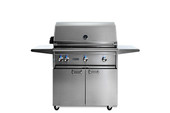 Lynx 36" Freestanding Grill - All Trident w/ Rotisserie - L36ATRFBrand:Grill Width:Main Burners:
$10,639.00$9,939.00 -
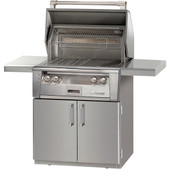 Alfresco ALXE 30" Grill on Cart, One Sear ZoneModel #:Brand:
$6,085.00
-
 Sedona by Lynx L500PSFR 30" Freestanding Grill - 1 Stainless Burner, 1 ProSear w/ RotisserieBrand:Main Burners:
$5,198.00$4,848.00 -
 Lynx 54” Freestanding Grill with 1 Trident Infrared Burner, 3 Ceramic Burners, Rotisserie - L54TRFBrand:Grill Width:Main Burners:
$14,399.00$13,449.00 -
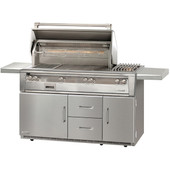 Alfresco ALXE 56" Grill Refrigerated Cart w Sear Zone, Side BurnerModel #:Brand:Grill Width:Main Burners:
$17,915.00
-
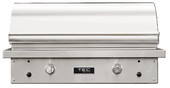
$6,399.00$5,750.00 -
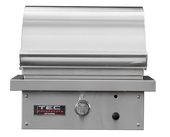 TEC Infrared 26" Sterling Patio FR Built-in Grill - STPFR1Model #:Brand:
$4,199.00$3,800.00 -
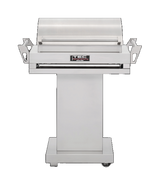
$4,583.00$4,167.00 -
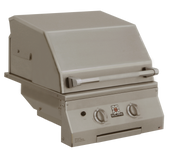 Solaire 21" IRBQ Deluxe InfraVection Built-In GrillModel #:Brand:
$1,997.00
-
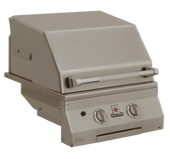 Solaire 21" Deluxe Infrared Built-In Grill - SOL-IRBQ-21GIRXLModel #:Brand:
$1,997.00
-
$8,825.00$7,942.50 -
$11,901.00$10,710.90 -
$4,899.00$4,450.00 -
$7,999.00$7,250.00 -
$7,599.00$6,875.00 -
$3,567.00
-
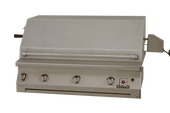
$7,597.00
-
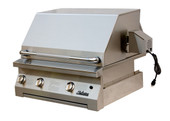 Solaire AGBQ 30" Infrared Built-in Propane Grill, RotisserieModel #:Brand:
$4,797.00
-
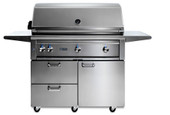 Lynx 42" Freestanding All Trident and Rotisserie - L42ATRFBrand:Grill Width:Main Burners:
$11,519.00$10,759.00 -
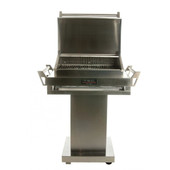 TEC G-Sport FR Propane Grill on Stainless PedestalModel #:Brand:
$4,498.00$4,090.00 -
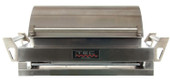 TEC G-Sport FR Tabletop GrillModel #:Brand:
$3,499.00$3,175.00 -
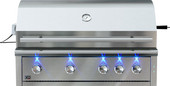
$6,250.00$4,999.00 -
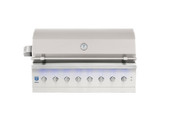
$12,760.00
-
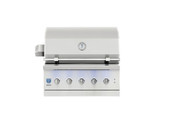
$10,158.72
-
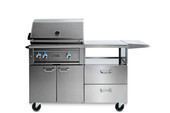 Lynx 30" Mobile Kitchen Grill w Rotisserie - L30R3-MBrand:Grill Width:Main Burners:
$10,638.00$9,928.00 -
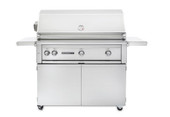
$7,149.00$6,549.00 -
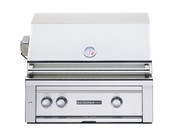 Sedona by Lynx L500R 30" Built-in Grill w 2 Stainless Burners, RotisserieBrand:Availability:
$3,899.00$3,579.00 -
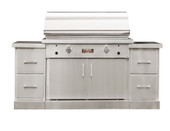
$11,999.00$10,899.00 -
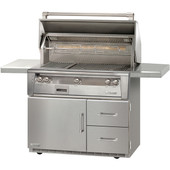 Alfresco ALXE 42" Grill with Sear Zone on Refrigerated CartModel #:Brand:
$15,519.00
-
 Alfresco ALXE 56" Grill, Sear Burner on Cart - ALXE-56BFGCModel #:Brand:
$13,765.00
-
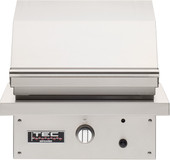 TEC Infrared Patio FR 26" Built-in Grill Head - PFR1Model #:Brand:
$3,899.00$3,550.00 -
$4,732.00$4,301.00 -
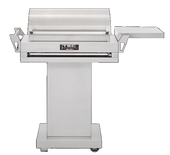
$4,732.00$4,301.00 -
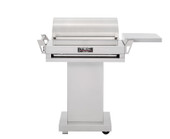 TEC Infrared Grill | G-Sport FR on Pedestal with Side ShelfModel #:Brand:
$4,647.00$4,224.00 -
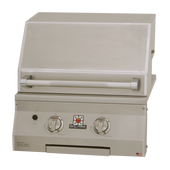 Solaire IRBQ 21" InfraVection Built-in GrillModel #:Brand:
$1,537.00
-
$3,202.00
-
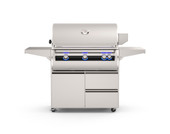
$12,144.00$10,929.60 -
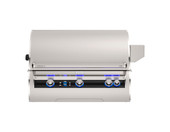
$10,145.00$9,130.50 -
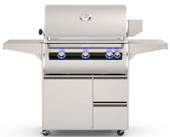
$11,288.00$10,159.20 -
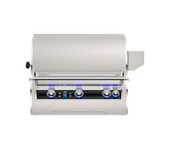
$9,498.00$8,548.20 -
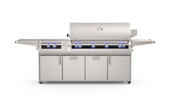 Fire Magic Echelon 1060s Portable Grill, Analog Thermometer, One Infrared, Power BurnerBrand:Series:
$18,726.00$16,853.40 -
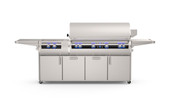
$19,397.00$17,457.30 -
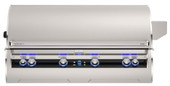
$12,575.00$11,317.50 -
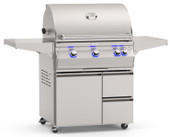
$10,213.00$9,191.70 -
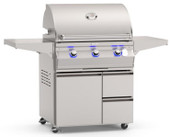
$9,150.00$8,235.00 -
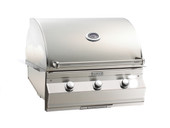
$6,735.00
-
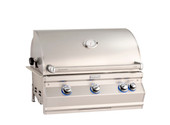 Fire Magic Aurora 540i Built in Grill, One Infrared Burner, RotisserieBrand:Series:Grill Width:
$6,825.00$6,142.50 -
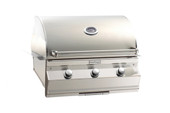 FireMagic Aurora 540i Built-in Grill, One Infrared Burner, No RotisserieBrand:Series:Grill Width:
$6,193.00
-
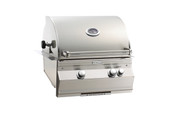 Firemagic Aurora 430i Built-In Grill, One Infrared Burner, RotisserieBrand:Series:Grill Width:
$5,855.00
-
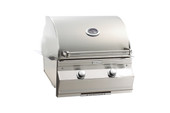 Fire Magic Aurora 430i Built-In Grill, One Infrared Burner, No RotisserieBrand:Series:Grill Width:
$5,223.00
-
$6,797.00
-
$6,797.00
-
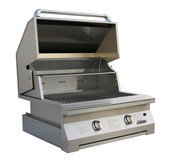 Solaire 30" InfraVection Built-in Grill, One IR Burner, NGModel #:Brand:
$4,227.00
-
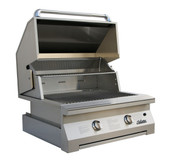 Solaire 30" Infravection Built-in Grill, One IR Burner | LPModel #:Brand:
$4,227.00
-
$4,227.00
Infrared grills are still gas grills—but instead of relying only on traditional “blue flame” burners, they use a ceramic infrared burner that produces direct radiant heat. This searing-style heat helps brown and caramelize food quickly and is less affected by wind than open-flame heat. Learn the difference.
- Best for: steakhouse-style searing, burgers, chops, fast high-heat cooks
- What to expect: intense top heat, fast preheat and searing
- Common setup: infrared sear burner as an optional zone on many premium grills
What is Infrared?
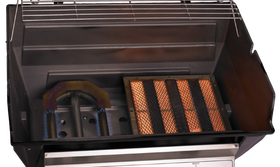
Infrared is direct radiant heat. A ceramic burner plate contains hundreds of small ports inside a stainless housing. When lit, it glows and delivers intense heat to the cooking surface—more like a broiler than a conventional burner. Traditional burners primarily heat the air in the firebox first, then transfer that heat to your food.
How infrared grilling feels different
- Faster browning: radiant energy drives a strong sear quickly
- Even searing: many evenly spaced ports create a more uniform hot zone
- Less wind impact: radiant heat isn’t disrupted the same way an open flame can be
- Heat range: many infrared sear burners can reach very high temperatures in minutes (varies by brand/model)
You may already know infrared from a rotisserie back burner—that long ceramic burner on the rear of many grills is also infrared technology designed for high, steady radiant heat.
Want both styles? Many grills combine traditional burners with an infrared option. Browse Infrared & hybrid gas grills.
Many premium brands—including Lynx, Sedona, Twin Eagles, Delta Heat and more—offer an infrared sear burner as an option on select models.
Infrared vs Blue Flame: What’s the Difference?
Both infrared and traditional blue flame burners are used in gas grills, but they heat food in very different ways. Understanding the difference helps you choose the right grilling style for how you cook.
| Feature | Infrared Burners | Traditional Blue Flame Burners |
|---|---|---|
| Heat Type | Direct radiant heat from a ceramic burner | Convective heat from open gas flames heating the air |
| Best Use | High-heat searing, steaks, chops, fast searing | Everyday grilling, indirect cooking, low-to-medium heat |
| Heat Intensity | Very high heat potential for aggressive searing | Moderate to high heat, easier to manage across zones |
| Wind Sensitivity | Less affected by wind due to radiant heat | Open flame can be disrupted by wind |
| Typical Setup | Often used as a sear burner or rotisserie back burner | Primary burners on most standard gas grills |
BBQ Depot Tip: Many premium grills combine both technologies—traditional burners for flexibility and an infrared burner for high-heat searing. This hybrid setup gives you the widest cooking range.
Pro-Tip: Infrared cooks significantly faster than blue flame. If you're new to infrared, keep a close eye on your food—steaks can reach a perfect sear in about half the time you're used to.
Infrared Grill FAQs
What’s the difference between infrared and blue flame burners?
Infrared burners use direct radiant heat from a ceramic surface, while blue flame burners heat the air with open gas flames.
Does infrared cook faster than blue flame?
Yes. Infrared delivers intense radiant heat directly to the food, which can cook and sear faster.
Can I have both infrared and blue flame?
Many premium grills combine traditional burners with an infrared sear burner for maximum flexibility.
Brief History of Infrared
TEC Infrared helped bring infrared cooking to the residential market. After early patents expired, many manufacturers began adding infrared sear burners to their grill lineups.
Top brands known for infrared performance
- TEC: a long-standing specialist in infrared grilling
- Solaire: a popular high-performance infrared choice
- Texas Sizzler: known for all-infrared grill options
- Alfresco: offers an all-infrared option (often special order)